AI for Business
Popular
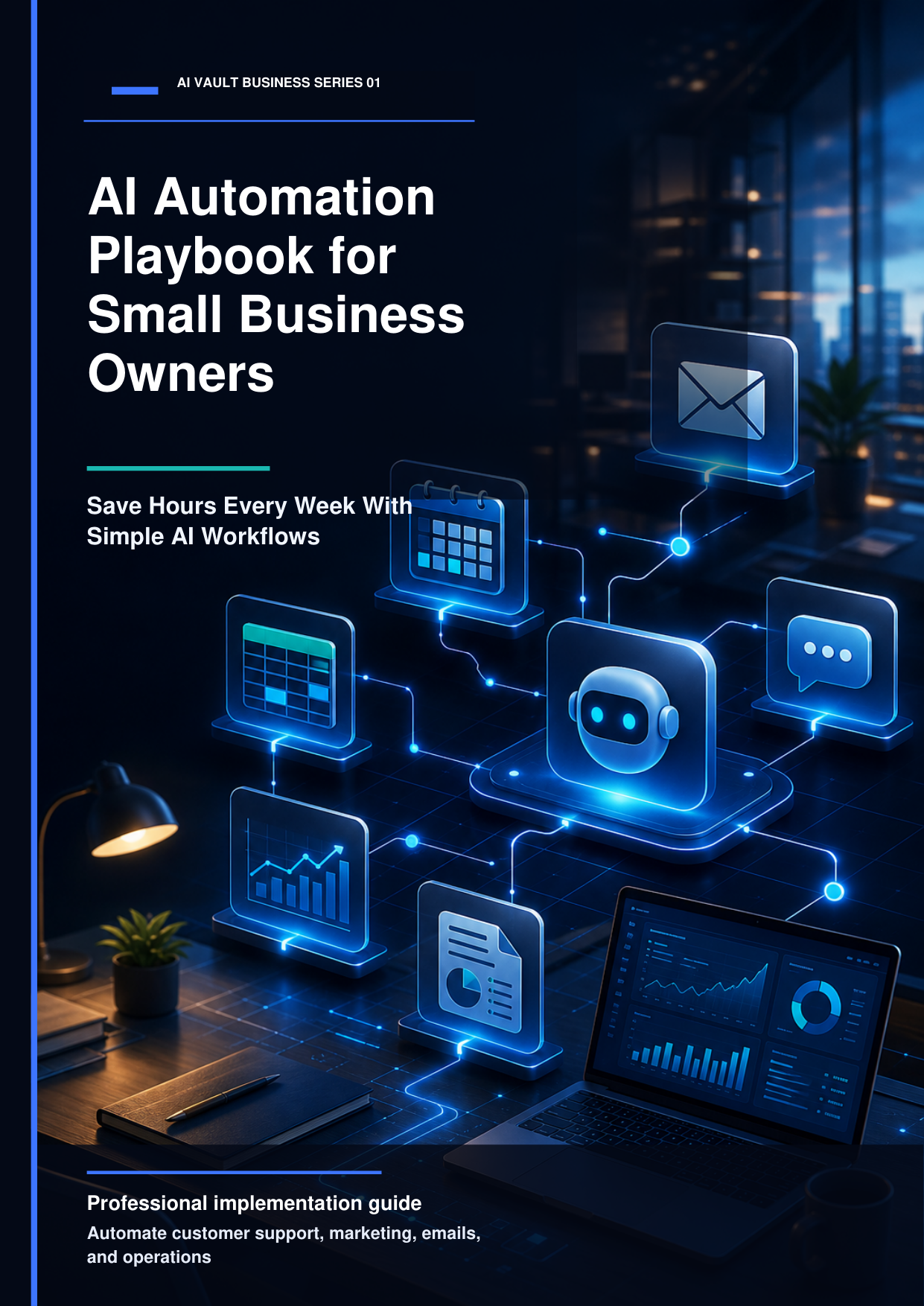
AI Automation for Small Business
A practical guide for small business owners who want to automate repetitive work, customer replies, content creation, planning, and reporting without coding.
Price
$19.99
$39.99
Scale operations, minimize overhead, and integrate custom operational models into your business. Explore our curated playbooks and automation templates below.
A practical guide for small business owners who want to automate repetitive work, customer replies, content creation, planning, and reporting without coding.
Price
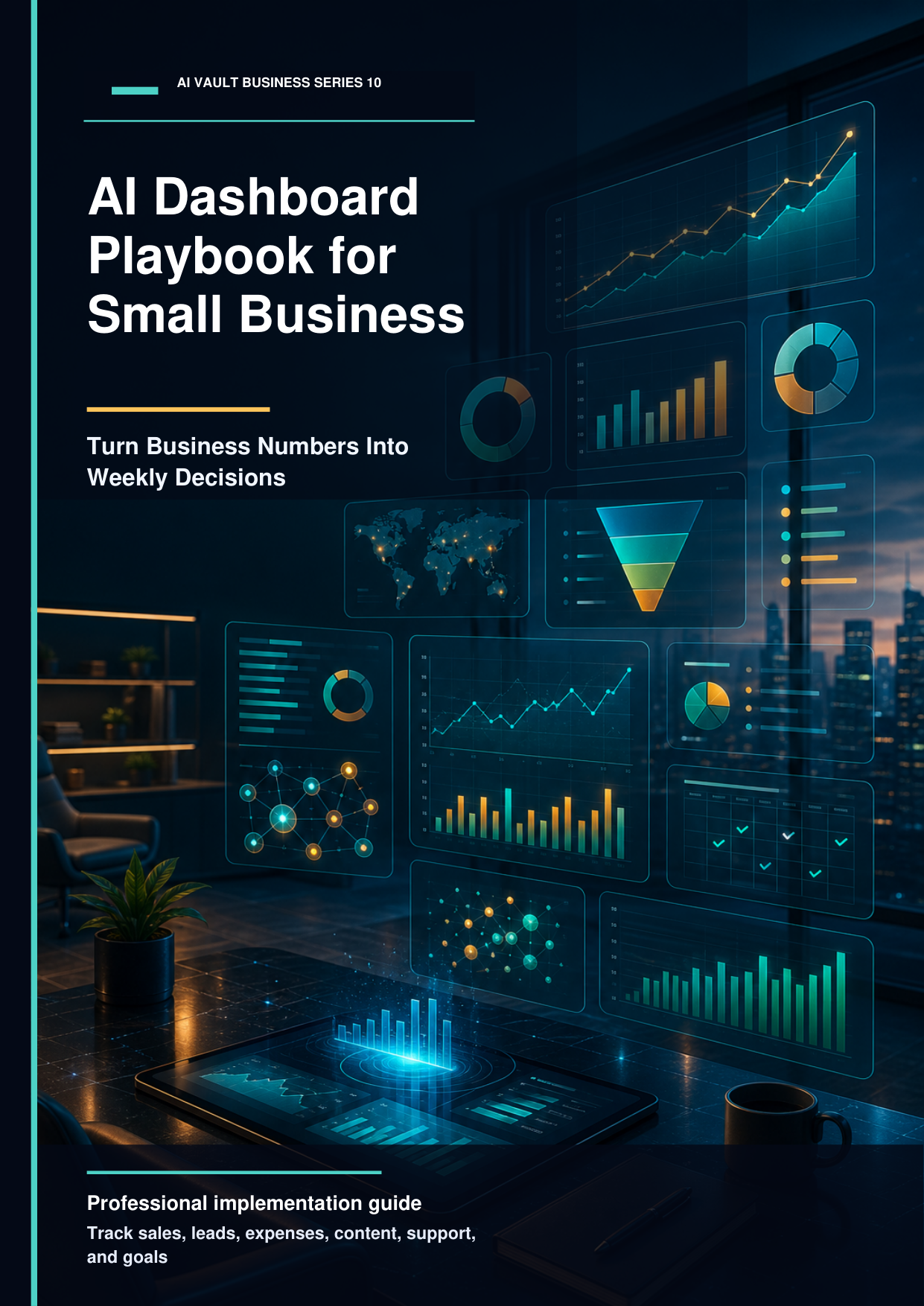
Teaches small businesses how to track sales, leads, content performance, customer questions, expenses, and weekly goals using simple dashboards and AI analysis.
Price
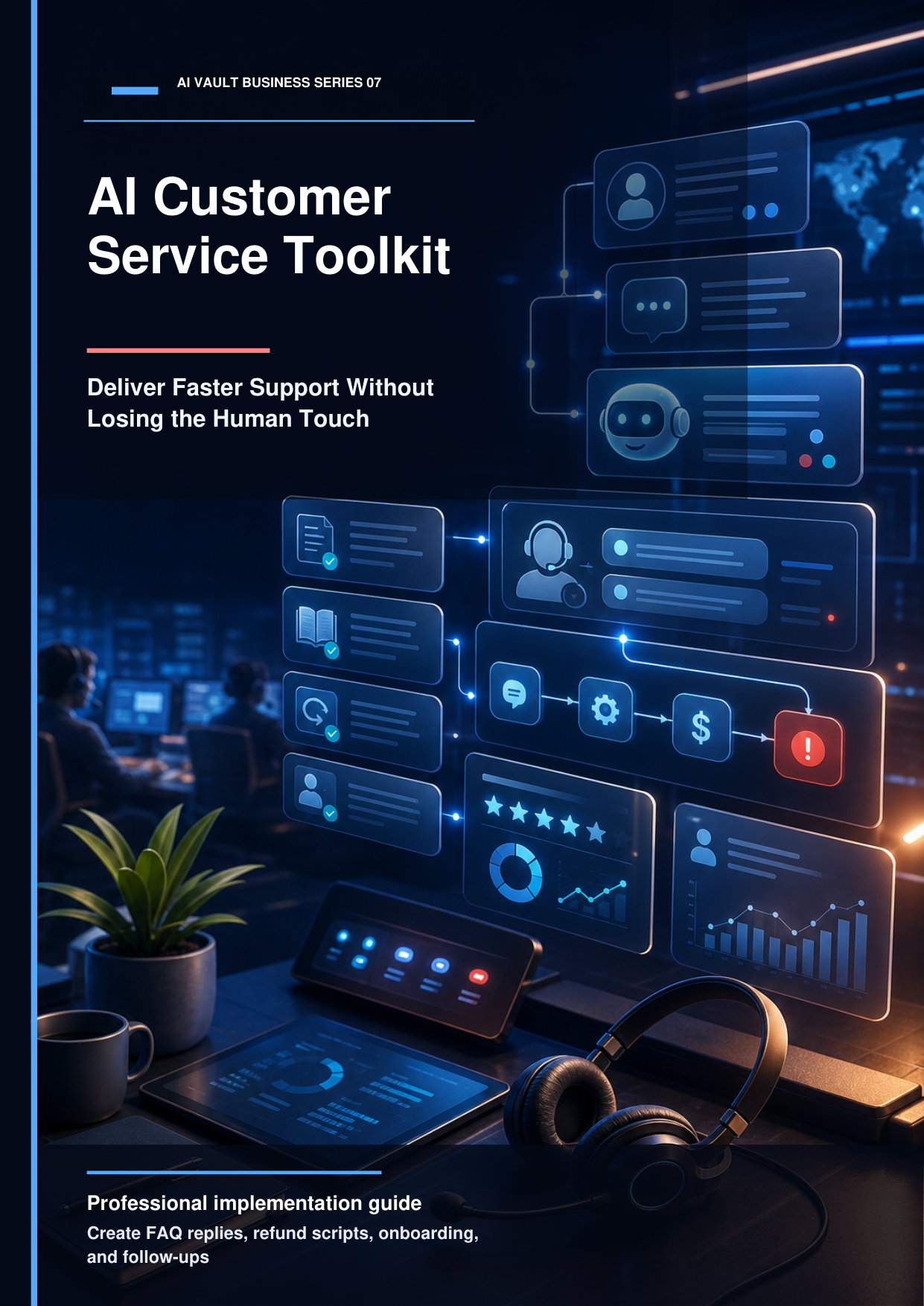
Shows how to create FAQ answers, support scripts, refund replies, complaint handling messages, onboarding messages, and customer satisfaction follow-ups.
Price
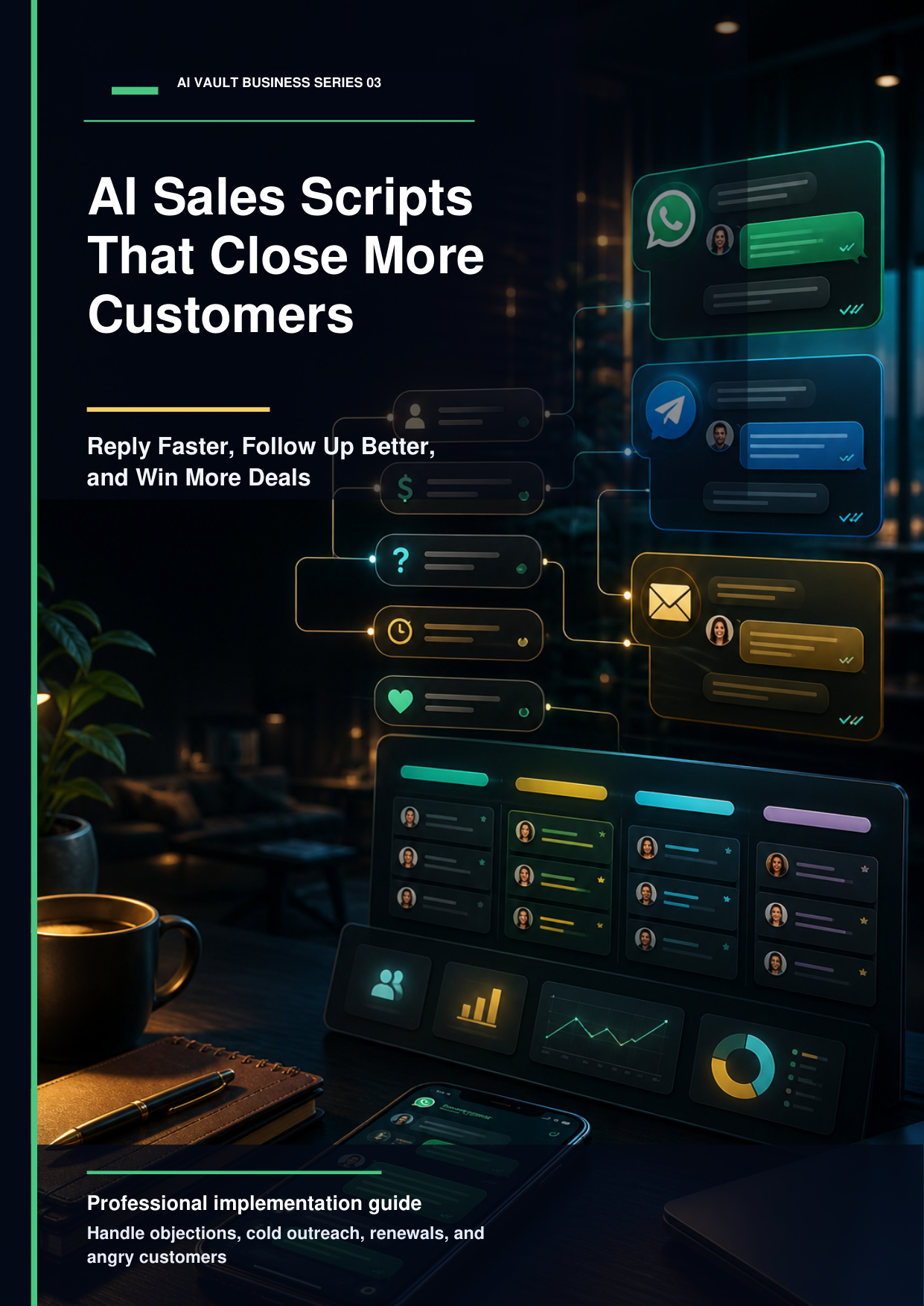
A script book with replies for price objections, follow-ups, free trials, angry customers, upsells, renewals, and cold outreach.
Price
In the modern commercial landscape, integrating artificial intelligence is no longer a futuristic luxury—it is a competitive necessity. For small business owners, solo operators, and managers, AI offers a pathway to replicate the output of larger teams without the associated overhead costs. The transition from manual tasks to AI-native systems begins with auditing workflows. By mapping out where your team spends administrative hours—whether in email correspondence, data entry, CRM updates, or proposal drafting—you can pinpoint exactly where to position AI assistants.
A major bottleneck for small businesses is knowledge retrieval. Teams waste hours searching for pricing sheets, contract terms, or refund policies. Custom GPTs solve this by acting as specialized virtual employees. By uploading your corporate documents to a secure, private LLM instance, you create an on-demand assistant that can draft responses, summarize proposals, or audit client communications in seconds. This ensures that every piece of correspondence aligns with your brand's policies and guidelines, increasing output quality while saving your operations lead hours of review work.
Transitioning to AI-driven systems should always be measured by clear business metrics: hours saved, error rates, and response speed. Instead of trying to automate your entire business in a single day, focus on a single high-frequency task. Once that task is successfully automated—such as syncing lead captures into your CRM and drafting a personalized welcome email—the ROI becomes instantly clear, paving the way for larger systems integrations.
Expand your knowledge with these step-by-step guides from our active blog.
Marcus Vance
7 min readStop running ad-hoc campaigns. Learn the core AI marketing systems that build funnels, personalize outbound emails, and capture leads automatically.
Alex Rivers
6 min readIn 2026, small business automation is no longer a luxury. Here is a review of the top AI-driven tools you can integrate to save hours every day.
Sarah Chen
6 min readLooking for a side income stream? Explore the top AI-created digital products you can design and sell on autopilot in 2026.
Frequently asked questions about this category's tools and methodologies.