Best AI Automation Tools for Small Businesses in 2026
The Shift to AI-Native Business Workflows
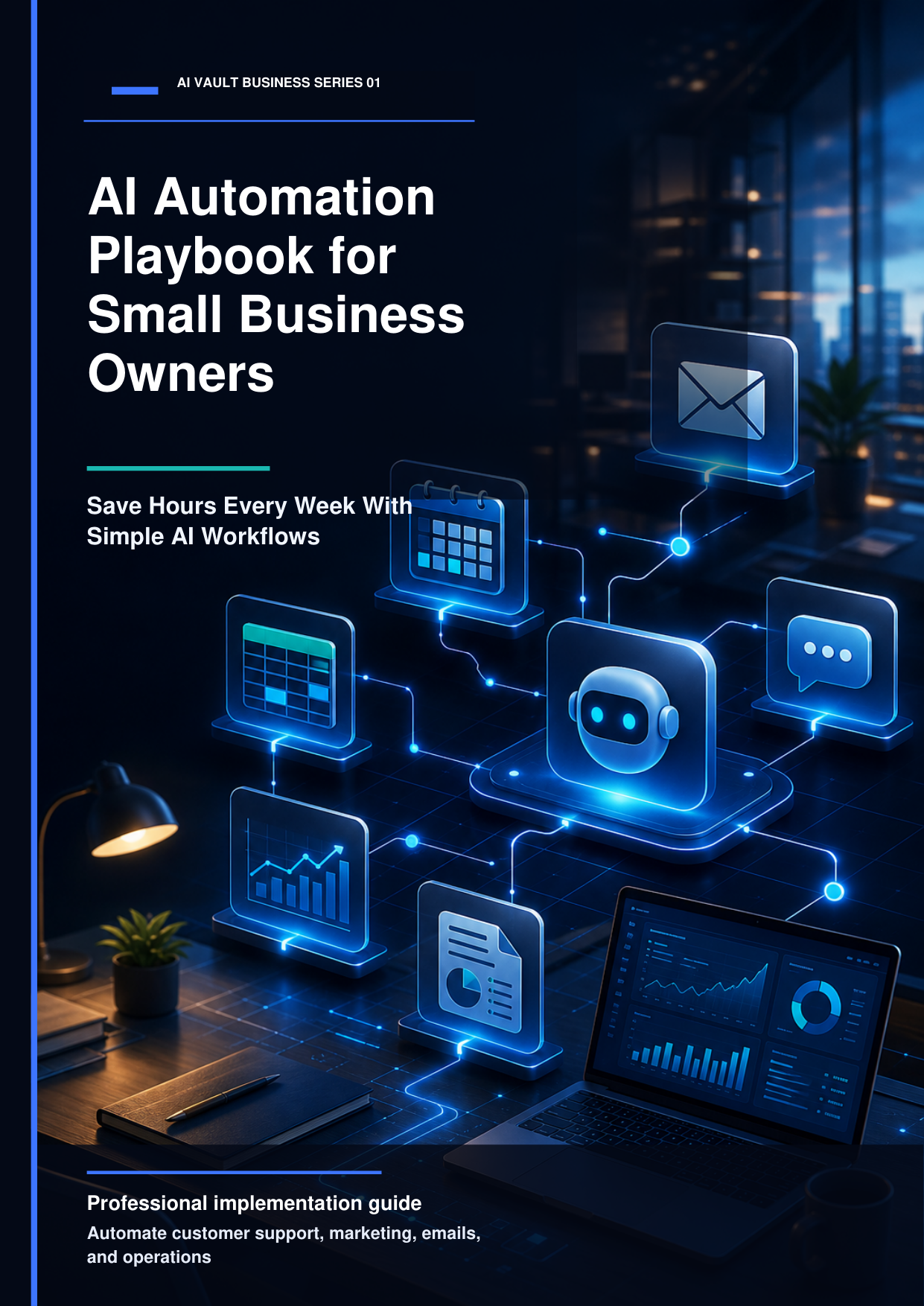
We have entered a new era of business operations. In 2026, automation is no longer about writing complex scripts or paying expensive developers. AI-native tools make it possible to orchestrate visual workflows using natural language. For small business owners, this means reclaiming precious hours previously lost to admin work.
1. Zapier & Make: The Connecting Fabric
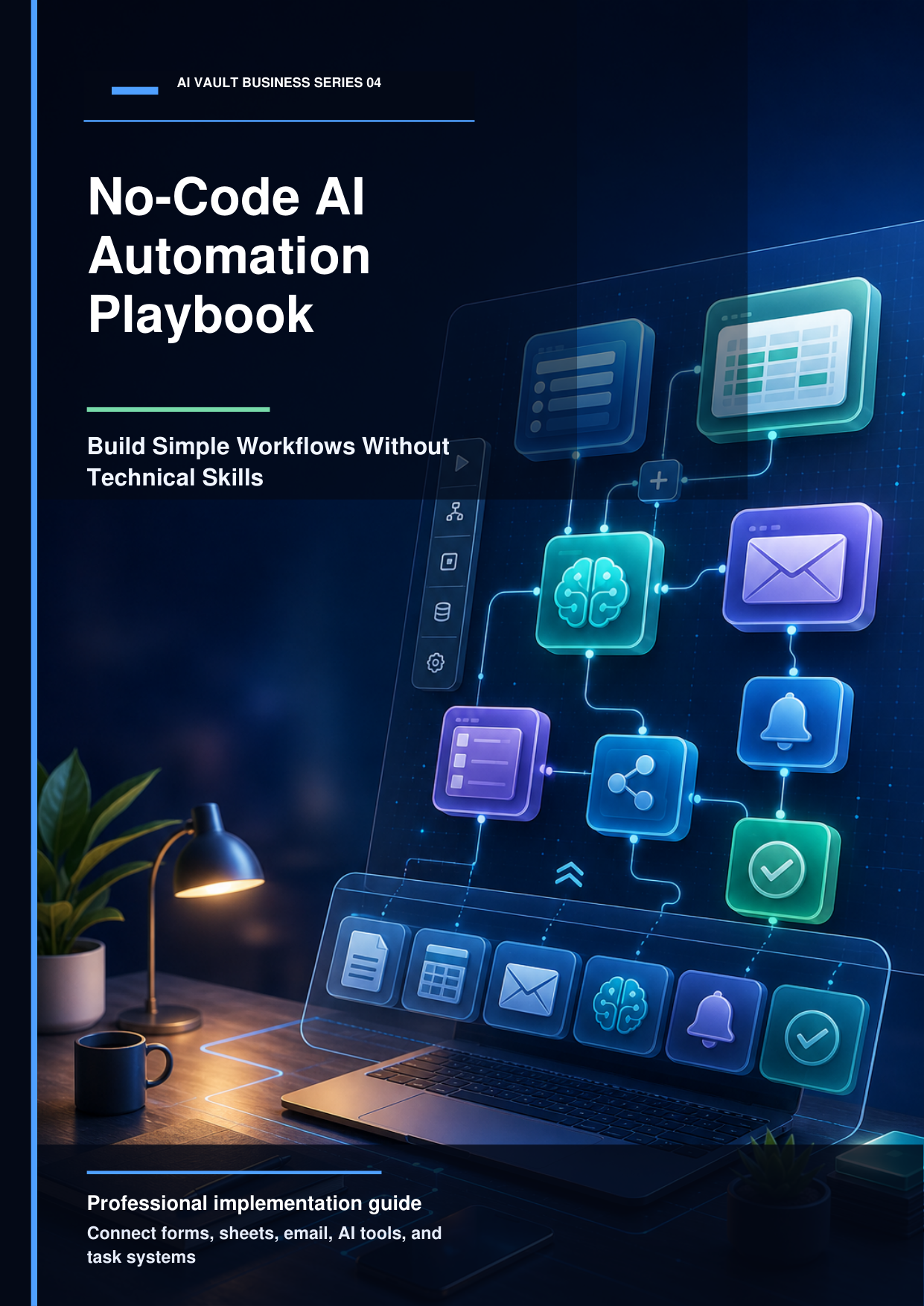
While AI does the thinking, tools like Zapier and Make remain the muscle. In 2026, both platforms have integrated deep AI builders. You can describe your desired automation in plain English (e.g., 'When a new lead arrives in my Google Sheet, analyze it with Claude, draft a response, and queue a draft in Gmail'), and the builder builds it for you. This makes visual automation faster and more accessible than ever before.
2. OpenAI Custom GPTs: The Virtual Employee
Custom GPTs are now a standard operating tool. Businesses are setting up private GPT instances trained specifically on their company manuals, product pricing sheets, and refund policies. This allows anyone on the team to query complex documents instantly or draft client emails that perfectly align with company guidelines.
3. Notion AI: The Central Nervous System
Notion has evolved from a simple document repo into an active workspace assistant. Notion AI can automatically summarize meeting notes, organize task lists from call transcriptions, and draft Standard Operating Procedures (SOPs). It acts as an organized digital hub that keeps teams aligned with zero friction.
Action Plan: Where to Start
Don't try to automate everything at once. Start with your most repetitive task. If you spend 2 hours a day copying email inquiries into your CRM, automate that first. Once you see the power of automated lead intake, expand to customer support and content scheduling workflows.
Put these insights into action!
Download our step-by-step premium eBook containing ready-to-copy workflows and visual setup manuals.